You probably don’t know my name, and that is fine. By the time you open this file, I will be somewhere else, working on something else, and you will have a deadline, a ticket and a screen you don’t understand yet. I want to start with an apology. There is a frame in here called “Final 2 copy”. I meant to rename it. I didn’t.
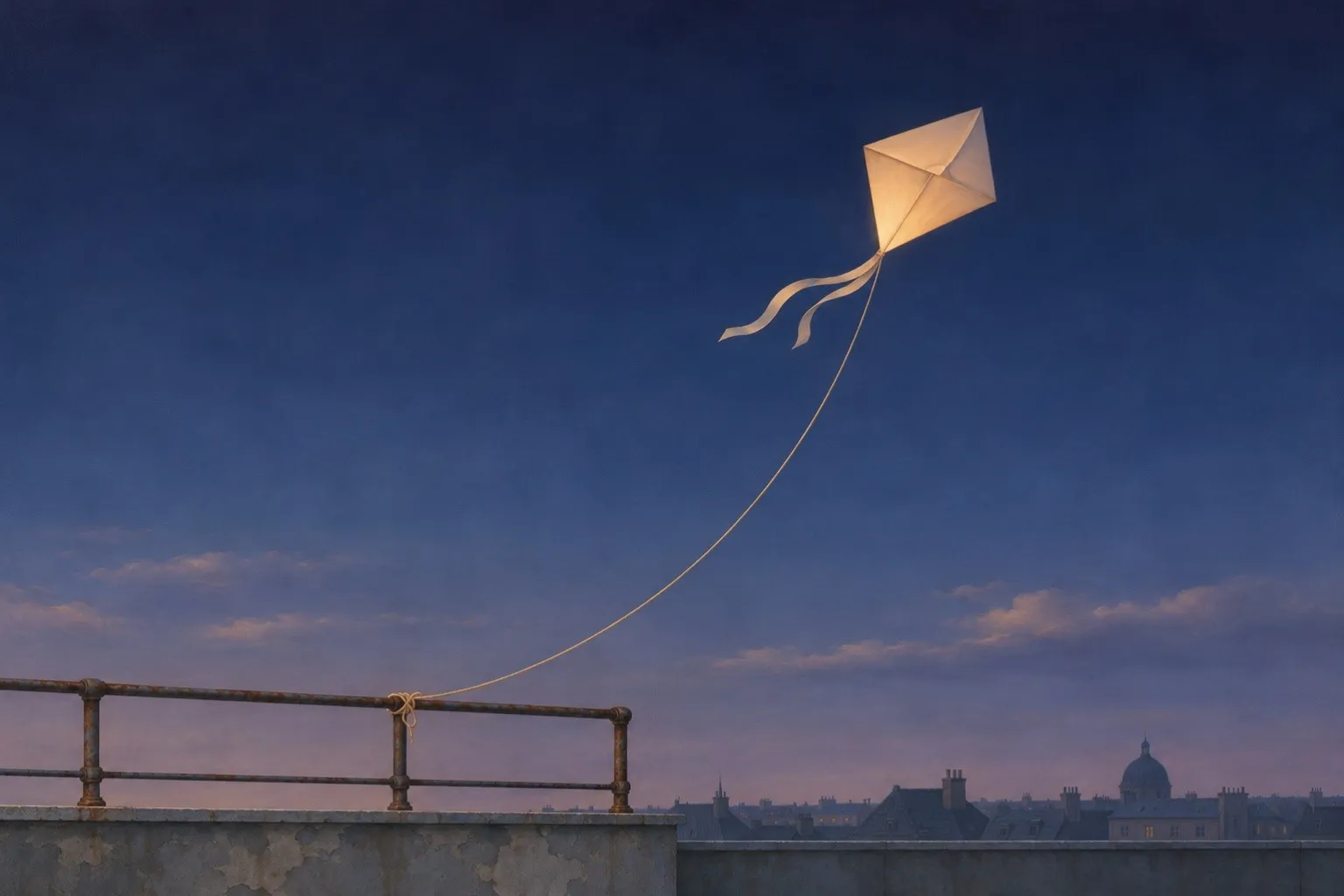
Written for someone who isn’t here yet.
I also want to say thank you. You came into the file looking for a reason instead of guessing one, and that already tells me something good about you. In my work we call this moment the design handoff, as if it were a parcel passed across a counter. I have never liked the word. To me it feels more like leaving a house to someone I will never meet, and writing a note for the kitchen table. So this is the note. Let me walk you through the rooms.
Start with the cover page, the one with the product’s name and a single sentence under it. Please don’t skip it. That sentence took longer to write than any screen in here. It says who all of this is for: a person holding a small phone in one hand, often outside, often in a hurry, sometimes on a bus with rain running down the window. Almost every decision you will find later goes back to that person. When something looks too big or too plain, I suspect it was made big and plain for them.
Next door is the page of colours and type. There are fewer colours than you might expect, and one grey that looks like a mistake. It isn’t. A lighter grey disappears on a cheap screen in strong sunlight, so this one is darker than it looks on a good monitor. I’ll say it plainly: I think a small palette is a kindness to whoever comes next. Every extra colour is a question someone will have to answer later, usually alone.
The components live on the third page, and this is where I tried hardest for you. I named things the way you would say them out loud to a colleague. Not “Rectangle 14”, not “Group 7 final”. A button that confirms a payment is called what it does. I have come to think a component name is a small promise. It tells you what a thing is for, so you also know what it must never be used for.
Some of those names will be wrong by the time you read this. The product will have grown in directions I couldn’t see. Rename them. I would much rather you keep the promise than keep my words.
The flows page is where you will find me least tidy. The main path, where every tap works and the payment goes through, is drawn neatly from left to right. Below it are the other paths: the signal dropping, the code that arrives late, the person who taps back three times because they’re not sure anything happened. Those are rougher. They are rough because they were hard, not because they mattered less. If anything, I believe they matter more.
Then there is a page at the very end called “Archive”. Some people would call it the graveyard. It holds every idea that didn’t make it: the first layout, an onboarding with too many steps, a colour I loved for two weeks. Please don’t delete it too quickly. The other pages tell you what was decided. Only this one tells you what was considered and turned down, and that is often the more useful thing to know.
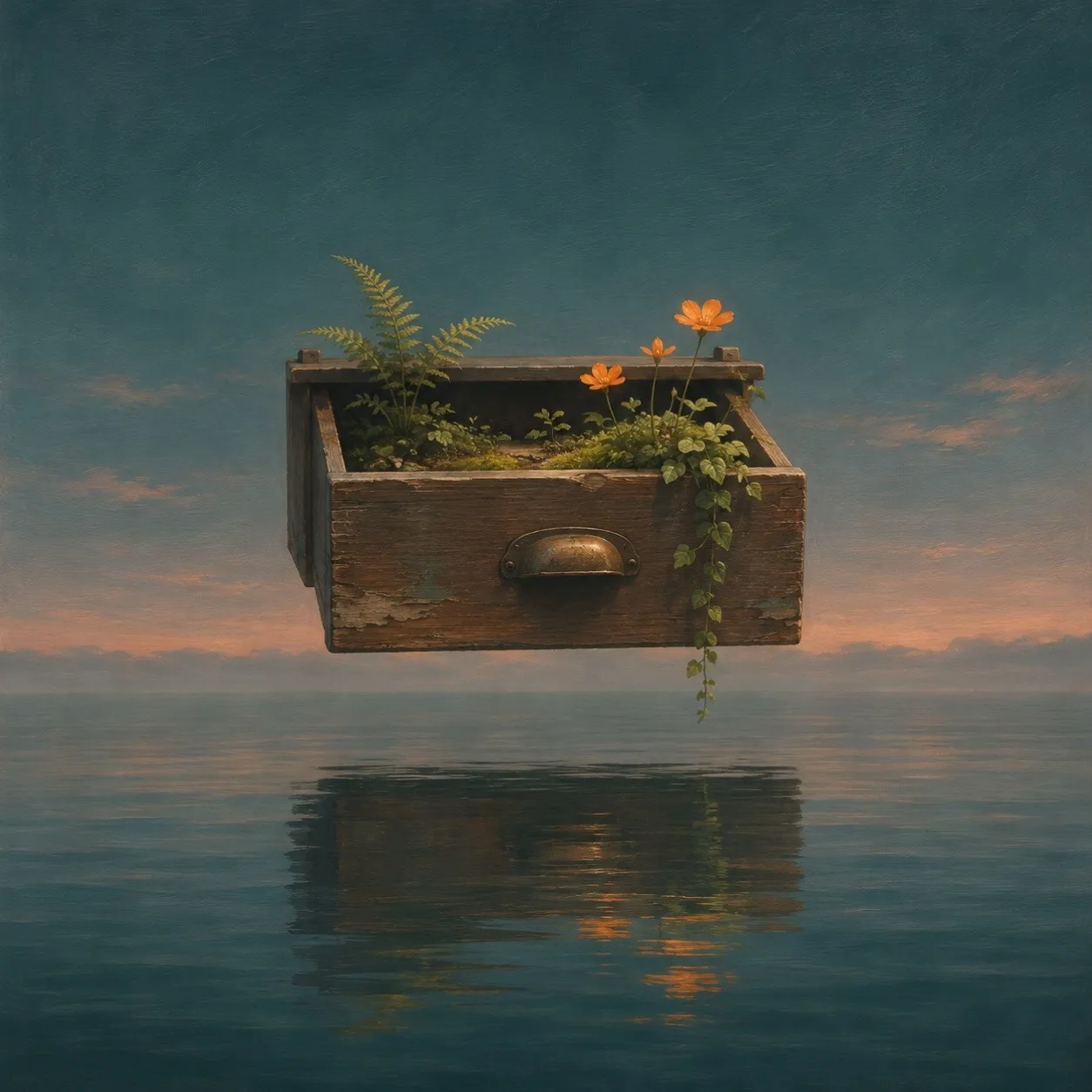
What was turned down is still growing.
The screens say what I decided. Only the notes can say why.
Now the part I’m least proud of. I left notes beside the trickiest screens, small yellow stickies explaining why a field is optional or why a step exists at all. There are not enough of them. Many of the reasons still live in people’s heads, in conversations nobody wrote down, in a mind map of rules that looked like a tangled kite string by the end. I wrote down what I could. Where I didn’t, please ask. Someone will remember, and the remembering is worth a message.
I know how this sounds. Most notes like these are never read. Files drift, products change, and the person who opens this one may be in such a rush that the cover page is just something to scroll past. Anyone who has opened a stranger’s file late at night knows the feeling: moving through it like a dark room, a little annoyed at someone you will never meet for leaving the lights off. I don’t want to be that someone for you.
So here is my permission, in case you need it. Change anything. Break my rules where they no longer fit. Make the grey lighter if the screens have got better. Just change it on purpose, and leave a note for whoever comes after you, the kind you would have liked to find.
The longer I do this work, the more I think a product is not really made by a team. It is made by a line of strangers, each one opening a file left by the last and leaving it a little better or a little worse for the next. Founders write the first sentence. The rest of us write the long middle, mostly to people we will never meet. I find that oddly beautiful. It means this file is the only meeting we will ever have, you and I, and I wanted it to be a good one.
It is evening here as I finish. The rain has started again on the roof, and the fan is turning slowly over a desk full of cold tea. Wherever you are, I hope the deadline is kind to you. And I hope the person on the other side of the screen gets home safely, with their payment confirmed and nothing left to worry about.
With good wishes,
the person who was here before you
P.S. The frame called “Final 2 copy” is the right one. I’m sorry.